A man takes an exciting journey into the wilderness to build a secret underground shelter under a fallen tree. This project is not only about survival skills, but also about creativity, resourcefulness, and a deep connection with nature. The entire process, from choosing the perfect location to reinforcing the shelter, is thoroughly covered, making this an insightful guide for outdoor enthusiasts and survivalists.
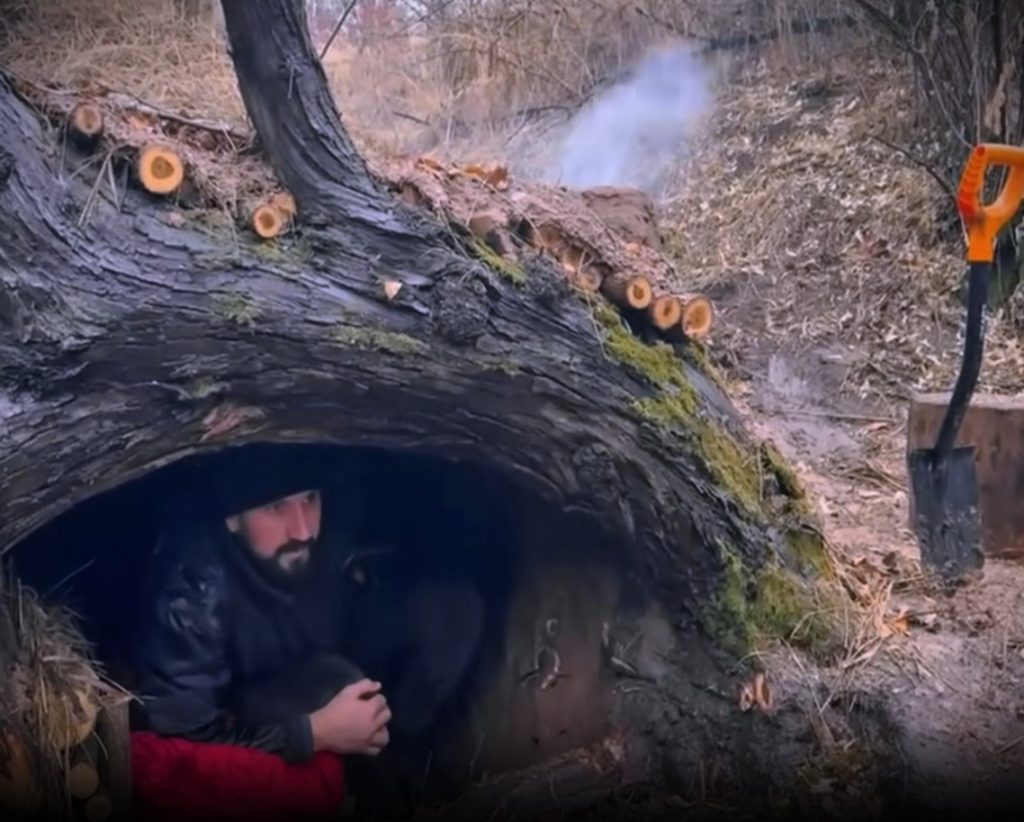
It begins with the important step of choosing the ideal location for the shelter. The creator will carefully inspect the fallen tree, ensuring that it is sturdy enough to provide a natural roof for the shelter. The surrounding environment is also taken into account, with considerations such as drainage, camouflage, and accessibility playing a major role in the decision-making process. This thoughtful approach ensures that the shelter remains both hidden and safe.
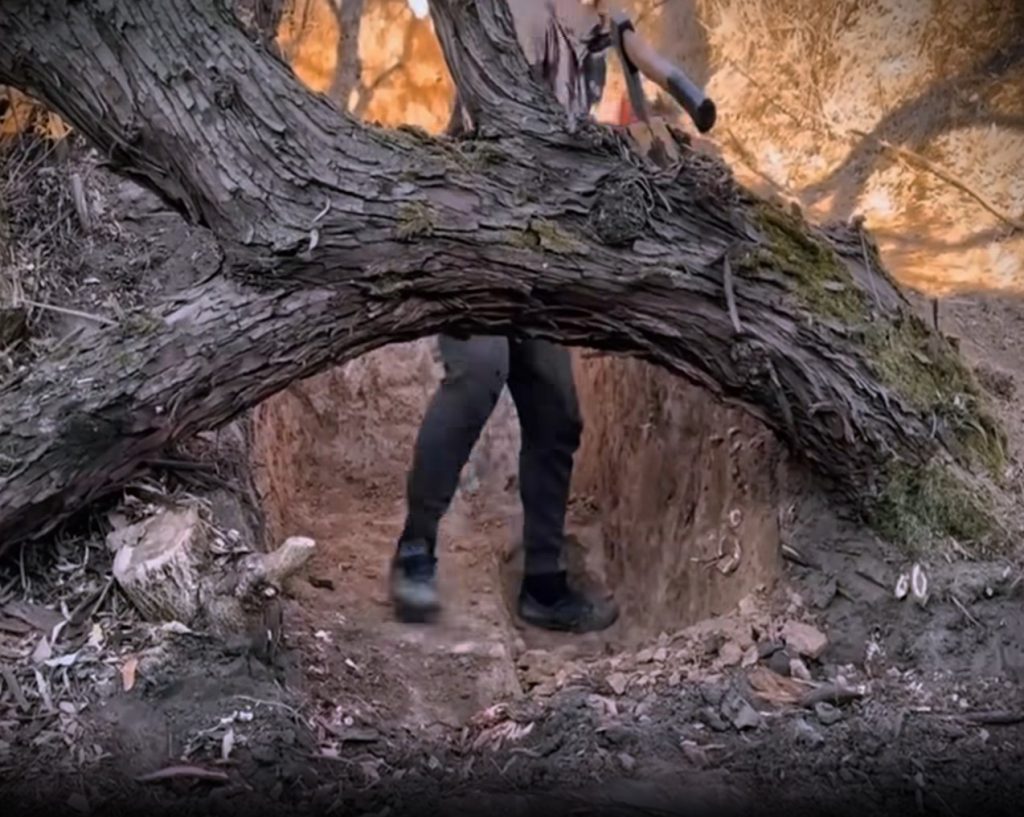
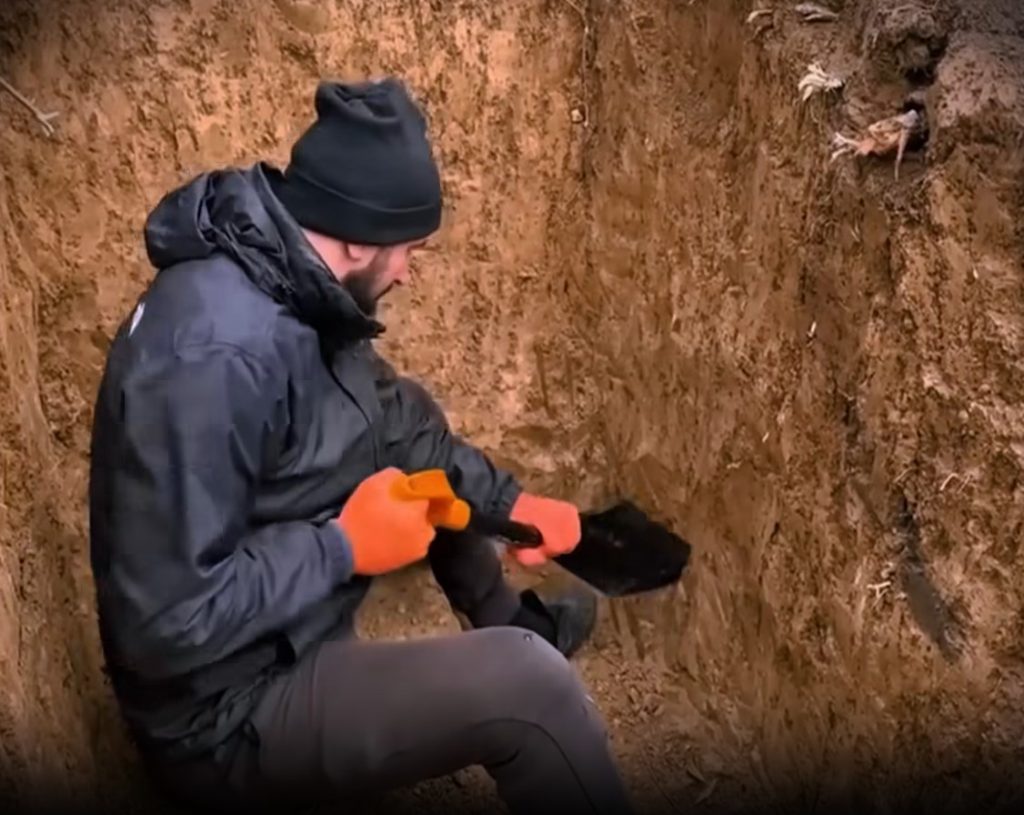
Once the location is determined, the hard work begins. Using basic tools, the creator begins to dig the soil underneath the fallen tree. This step requires patience and effort, as the soil must be carefully removed to create a spacious and functional underground area. The depth and size of the hole are meticulously measured to ensure stability and comfort. Safety precautions are emphasized throughout the excavation process, preventing the possibility of collapse and ensuring the shelter remains structurally sound.
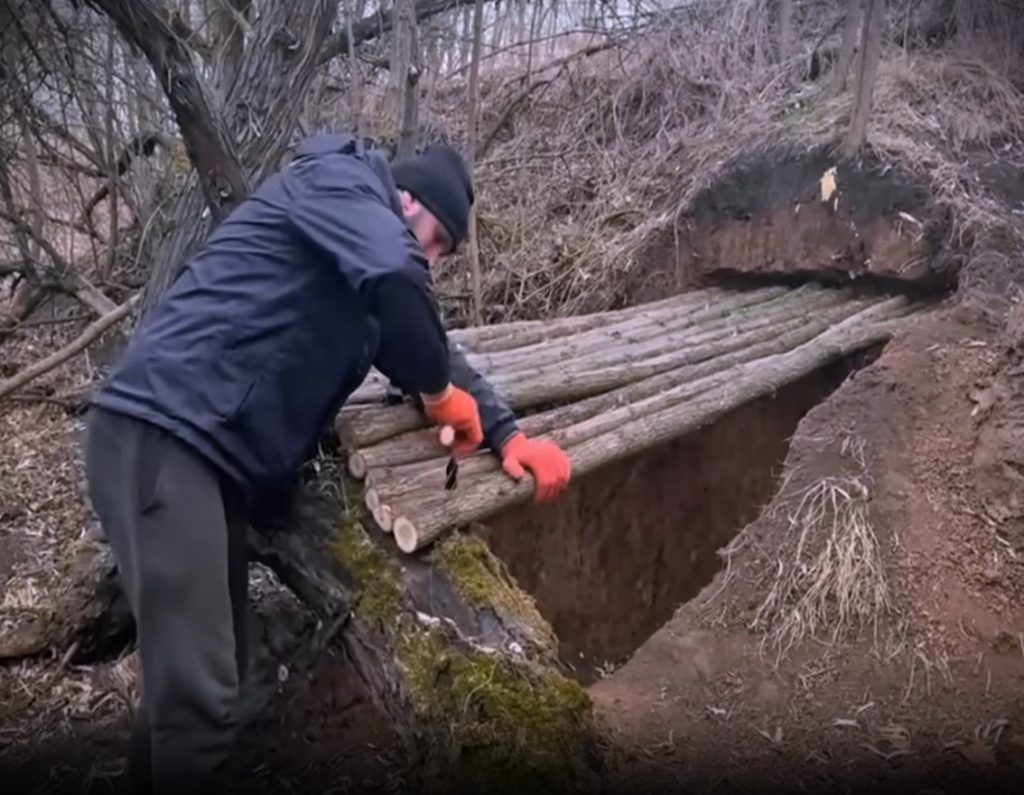
Once the excavation is complete, the next step is to reinforce the shelter. The creator explains the importance of using sturdy materials to prevent collapse and maintain durability. Wooden planks, logs, and natural resources from the surrounding area are strategically placed to add structural integrity. The fallen tree itself serves as a strong support system, blending seamlessly with the environment to keep the shelter well hidden.
Comfort and functionality are also key aspects of this project. The video showcases how to make the shelter more livable by incorporating essential elements such as bedding, ventilation and storage space. Leaves, moss and other natural materials are used to create insulation, making the shelter more comfortable in different weather conditions. The creator also highlights ways to make the space more efficient, ensuring the shelter can serve as a permanent shelter if needed.
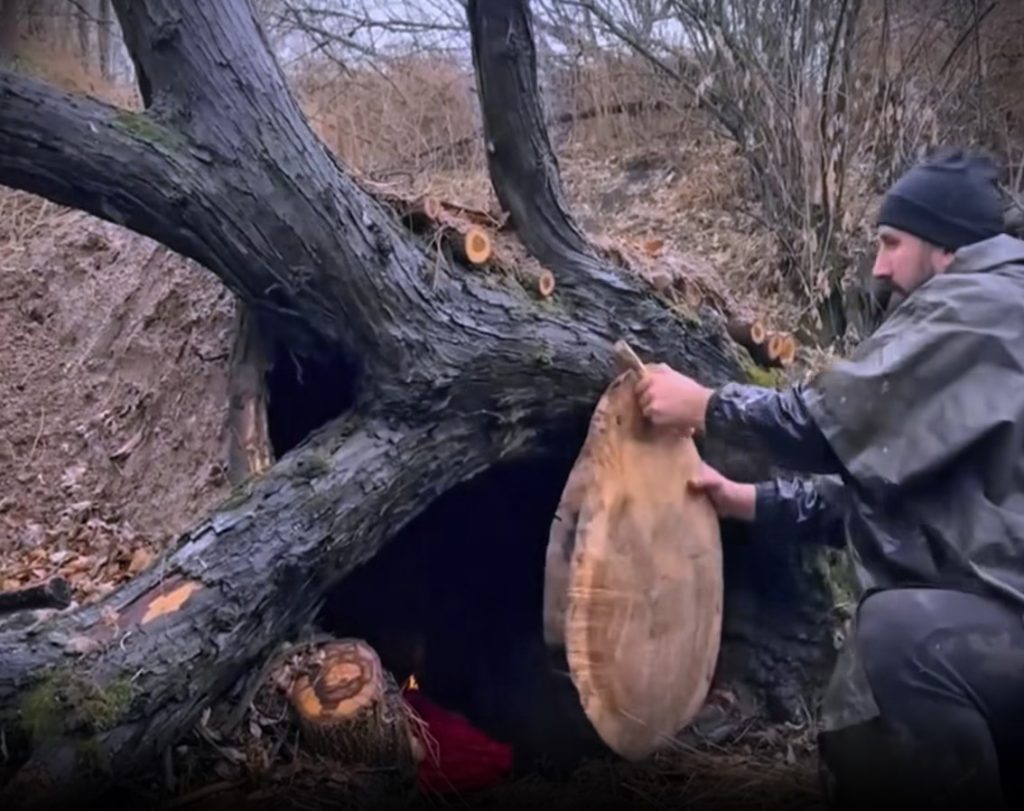
One of the most impressive aspects of this project is the attention to detail in making the shelter truly stealthy. Camouflage techniques, such as covering the entrance with branches and blending the structure into the natural surroundings, are expertly demonstrated. This ensures that the shelter is virtually invisible to passersby, adding an extra layer of security and privacy.
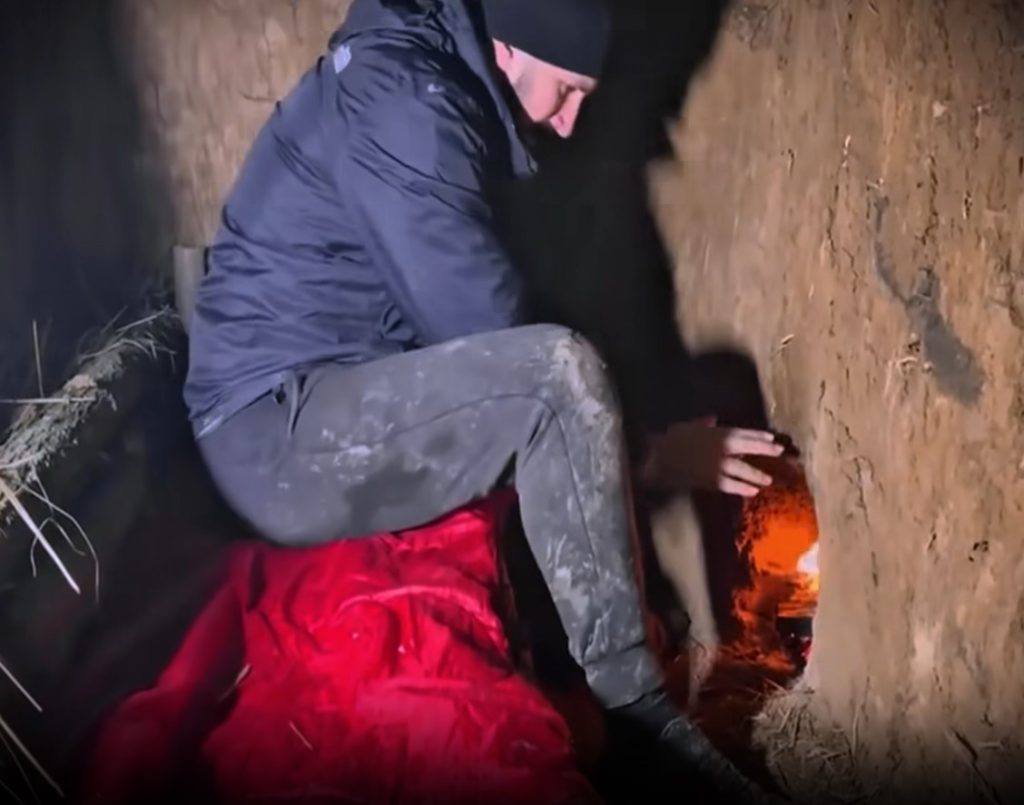
Overall, this is an inspiring and educational guide to building a secret shelter in the wilderness. It not only introduces the technical skills required, but also the patience and dedication required to create a safe and comfortable hideout. Whether you are a survivalist, an adventurer, or simply someone who enjoys learning new skills, it provides valuable insights into the art of shelter building.